Woof. I’m tired. I’ve been rating entries for the Appendix N Jam like a dog.
Here’s a non-exhaustive list of some of my favorites so far:
- When the Earth Sang Fire by catsumu
- Nadir of the Cold Caldera by EveVsEvil
- The Anvil of Winter by Seba, Rackhir_rpg, SimiOfDoom
- The Byzantine Cataclysm by Noble Gnoll
- Whispers From the Astral Veil by Fireside Tales
- Misbegotten Children of Izanami by Wormod
- The Prismatic Palace by Undelved
- The Weird of the Winter Worm by The Stillfleet Studio
- Spell of the World-Weavers by Gravy Press
- Sneaking into Jotenheim by Cargo Ghost Games
You might have noticed that most of my favorites are among the best-looking adventures posted. Real 5-star visual designers. Does that make me shallow? Illiterate? Maybe.
But aren’t visuals also design? And are we not designers first?
It’s been a little disorienting looking at so many adventures presented in so many different ways. Each one a puzzle box until the moment its designer’s intent reveals itself like so many plump little pearls rising from a bed of muck. Busy pages, low contrast, baffling color choices. Yuck.
It’s like some designers treat the single page of a jam like an exam cheat sheet: cramming every line from the textbook onto every square centimeter.
My guy, it has to be legible.
Why are so many indie adventures so hard to look at?
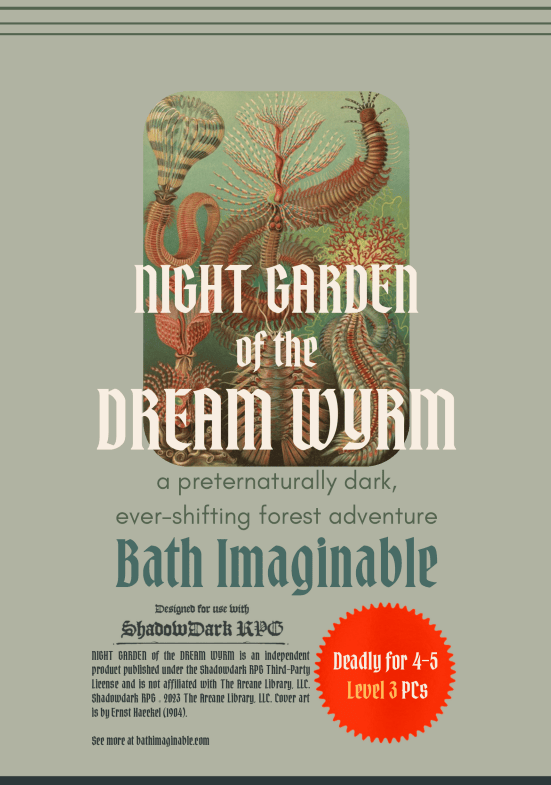
I wasn’t really planning on making anything else this summer, I’ve been busy enough finishing my campaign of Public Access (speaking of baffling decisions: why didn’t I read that campaign before committing to run it? But, more on that in another post…) and trying to make the most of the very short summers in my corner of the realm. But, when RedMageGM announced he was hosting a Mystic Wood OSR Adventure Jam based on the Lost Woods/Mirkwood from the Legend of Zelda/the Hobbit I knew I had to join the jam. I’ve already designed a randomized open-air dungeon; I knew I could make something even better by leaning into the fairytale/folklore vibes for this jam. The idea came basically fully formed.
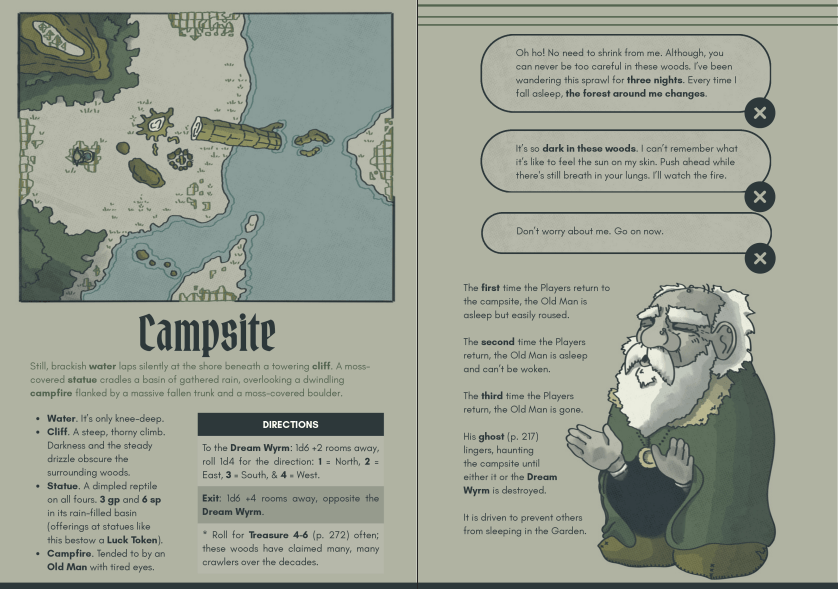
I knew from the hop I wanted to evoke an old Gameboy vibe. I remembered that in a live stream Chris McDowall referred to Alec Sorensen’s art as “Gameboy colours” so I looked at the botanical borders on each page of Mythic Bastionland for the basis of my palette.
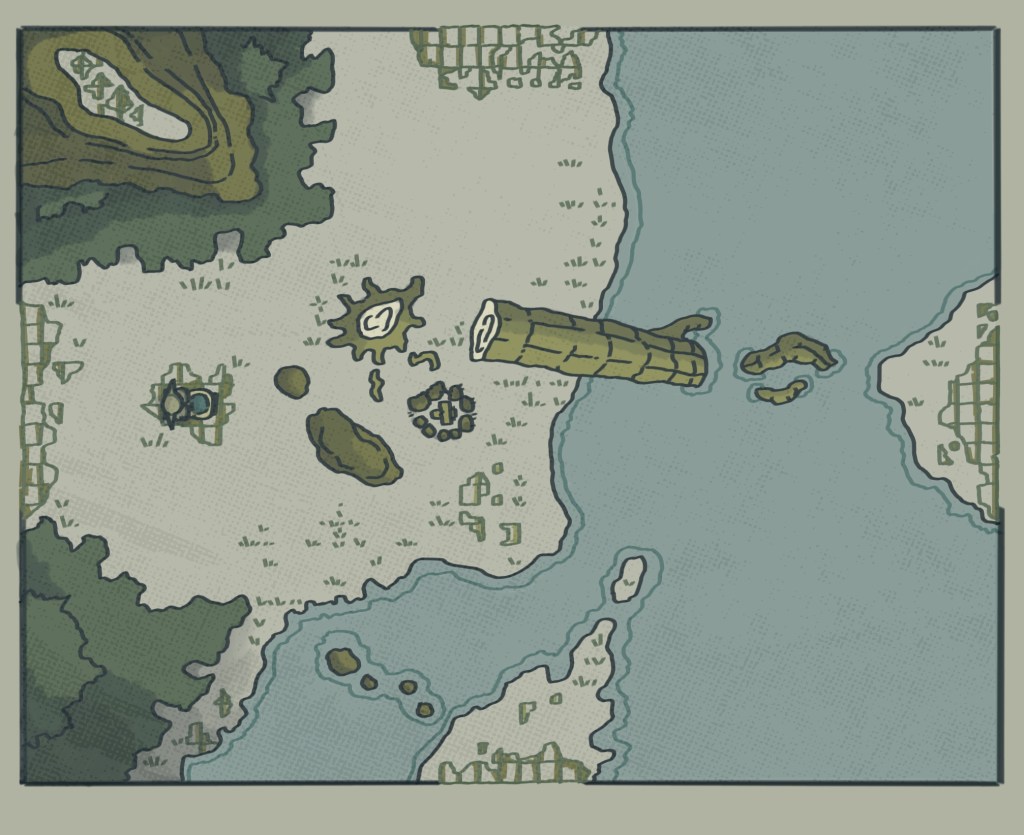
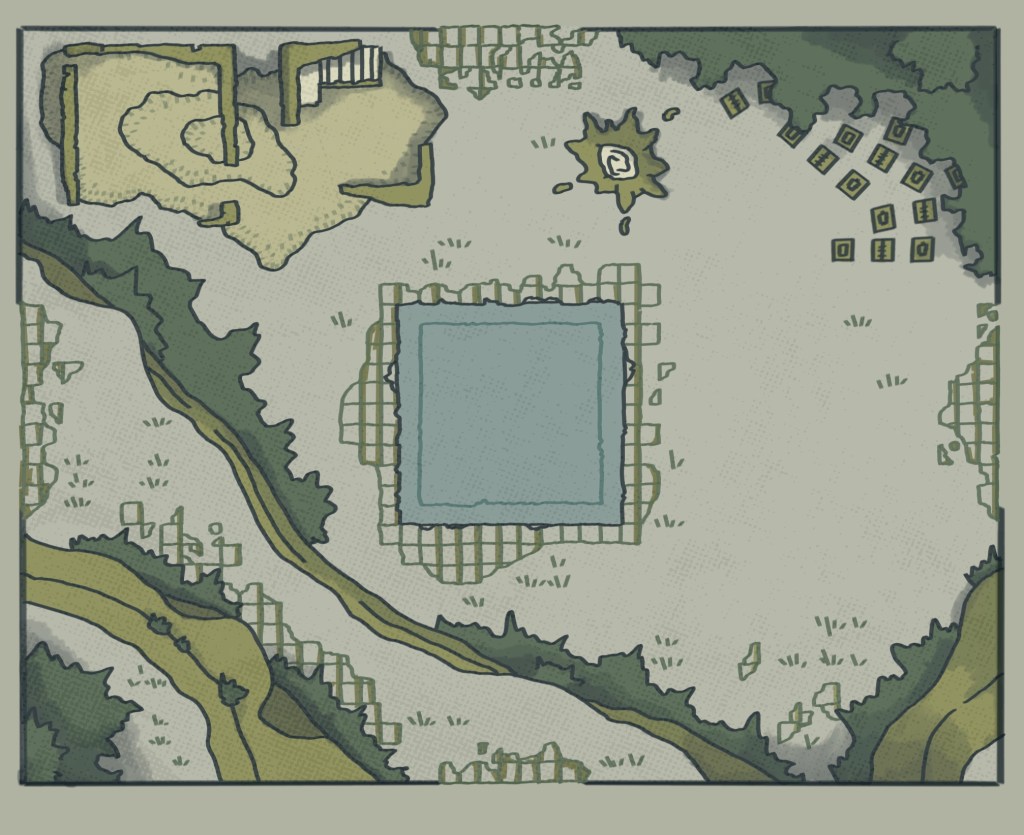
After drawing the Campsite and Spirit Village, the style guide was locked in, leaving me free to simply draw and imagine what became of this once-great kingdom. The narrative grew naturally from the art.
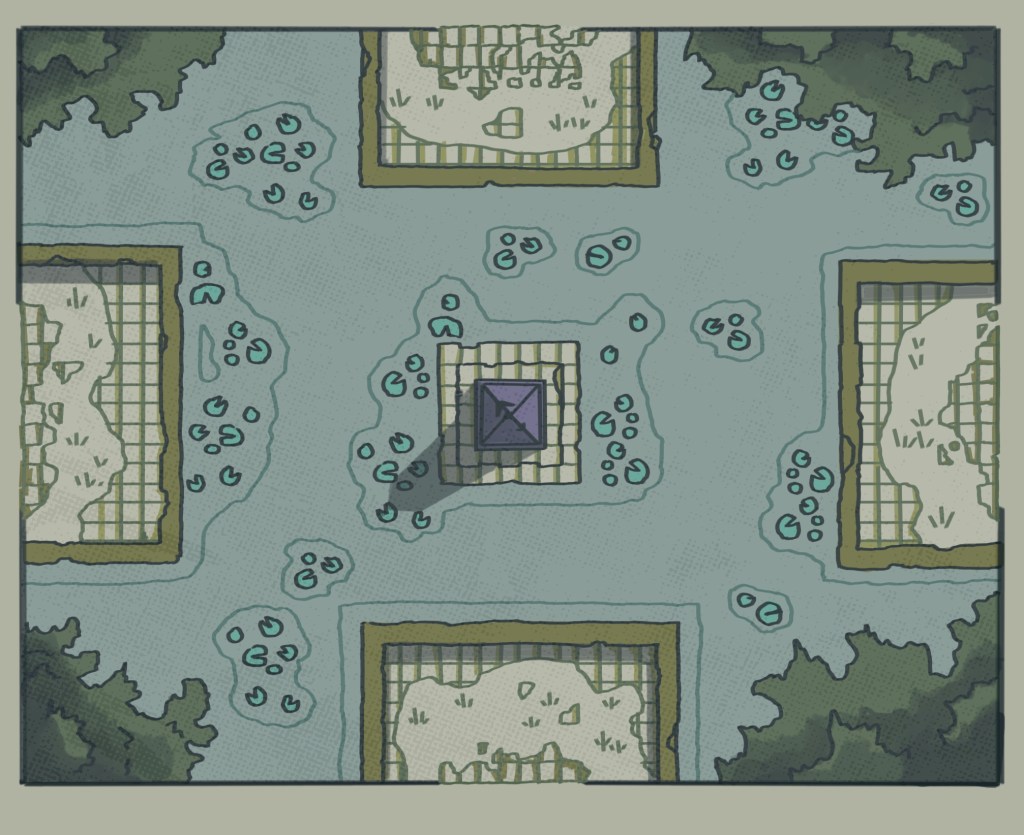
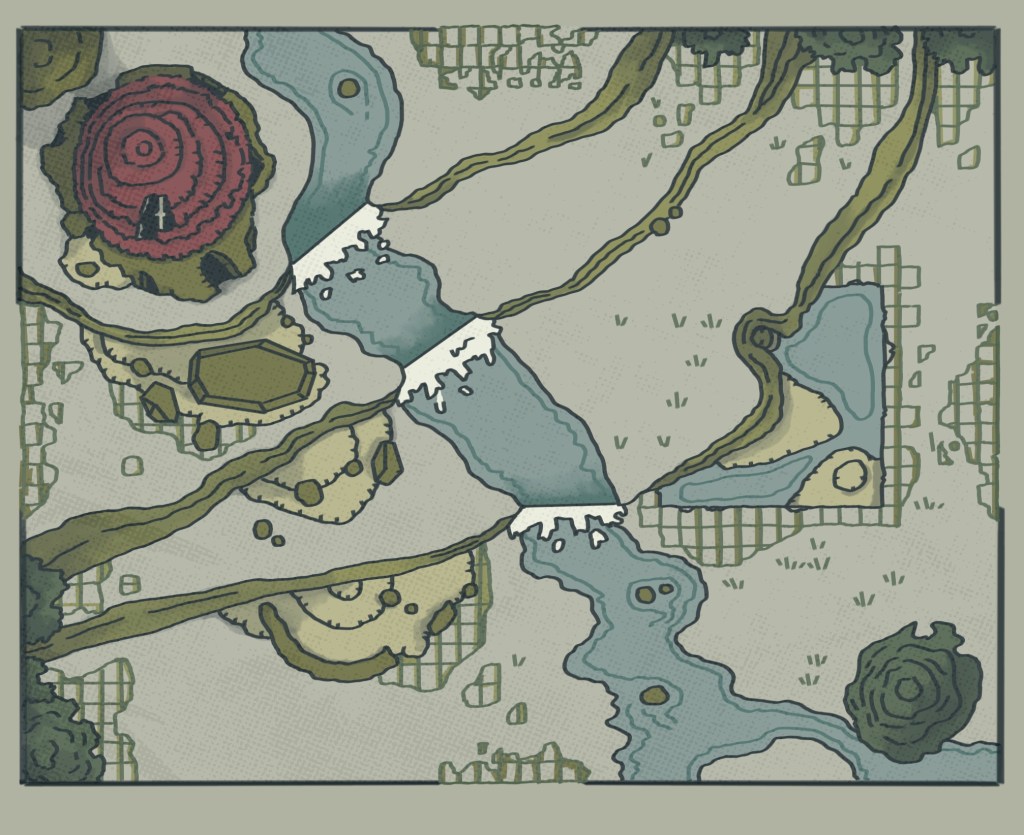
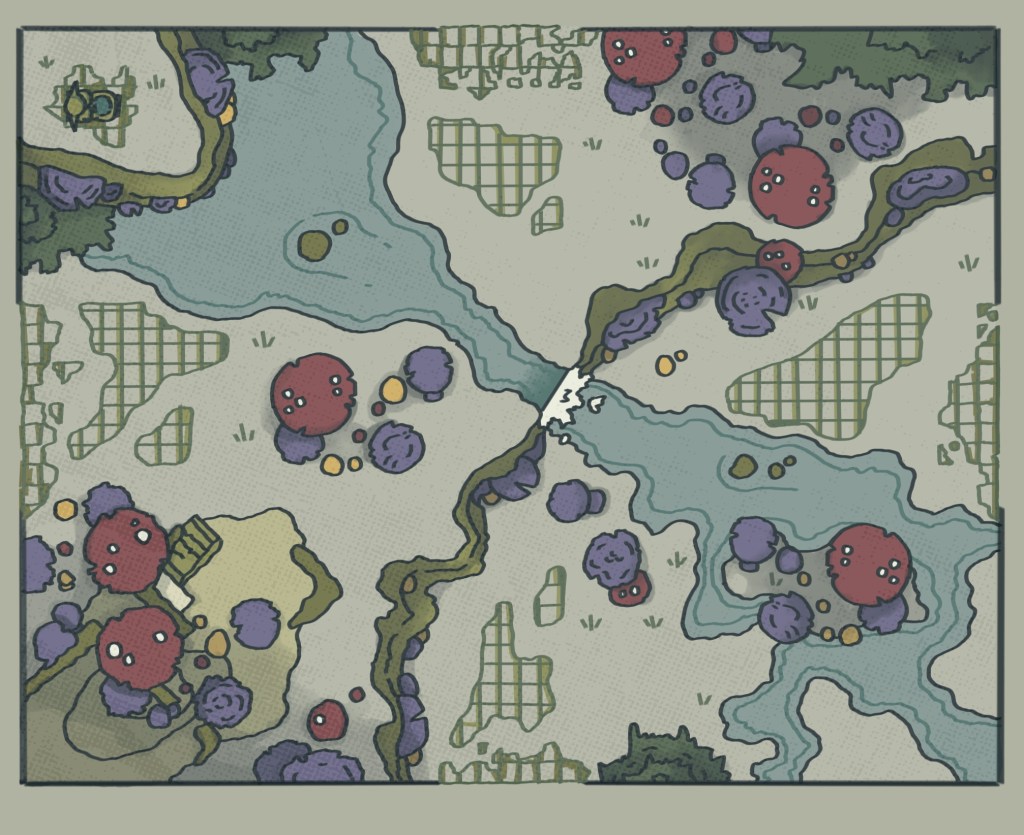
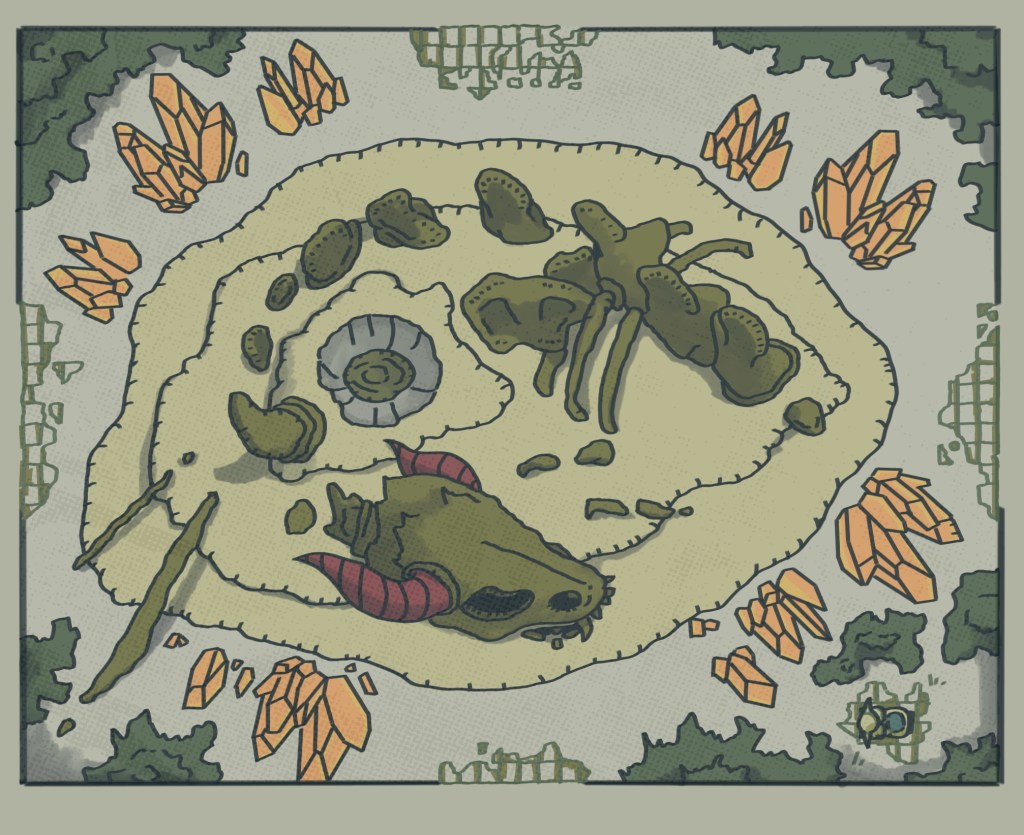
I’ve often said that visuals lead my design process, but it actually runs deeper than that. Visuals don’t arrive fully formed but they emerge through a kind of meditation. Spending hours in a state of flow over a single drawing allows ideas to simmer until they feel as grounded and genuine as real-world memories. Drawing the world doesn’t just illustrate it; it makes it real. And once a place becomes real, designing it feels entirely intuitive.
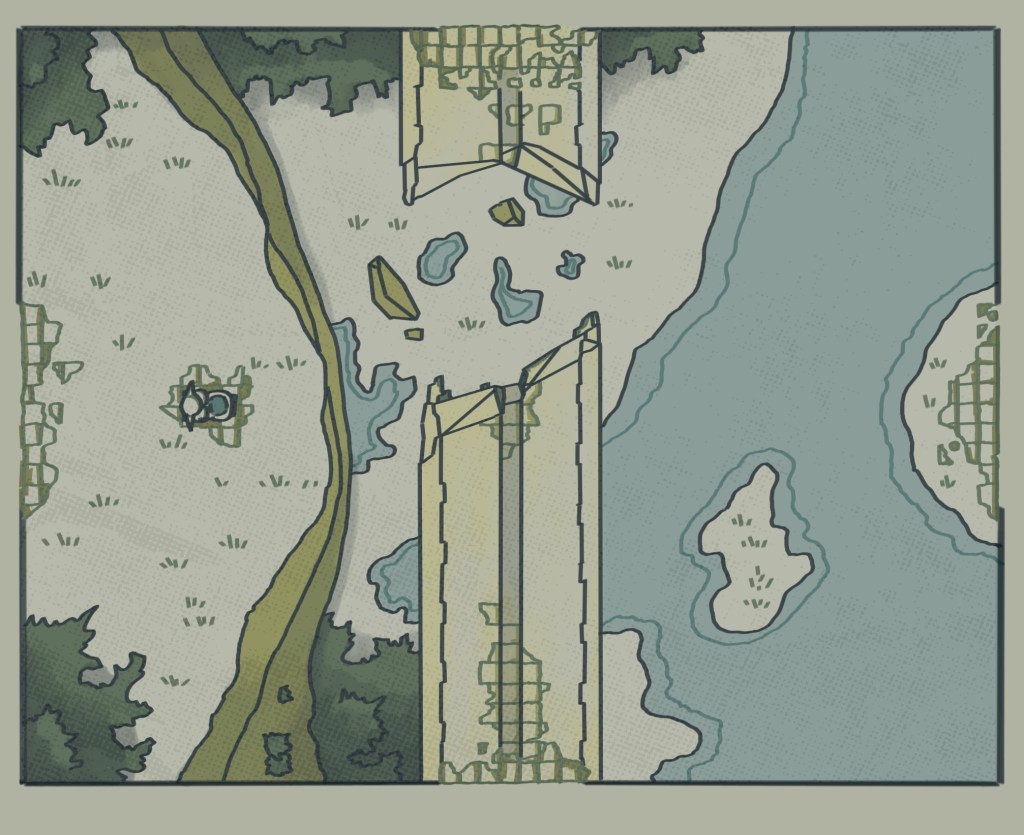
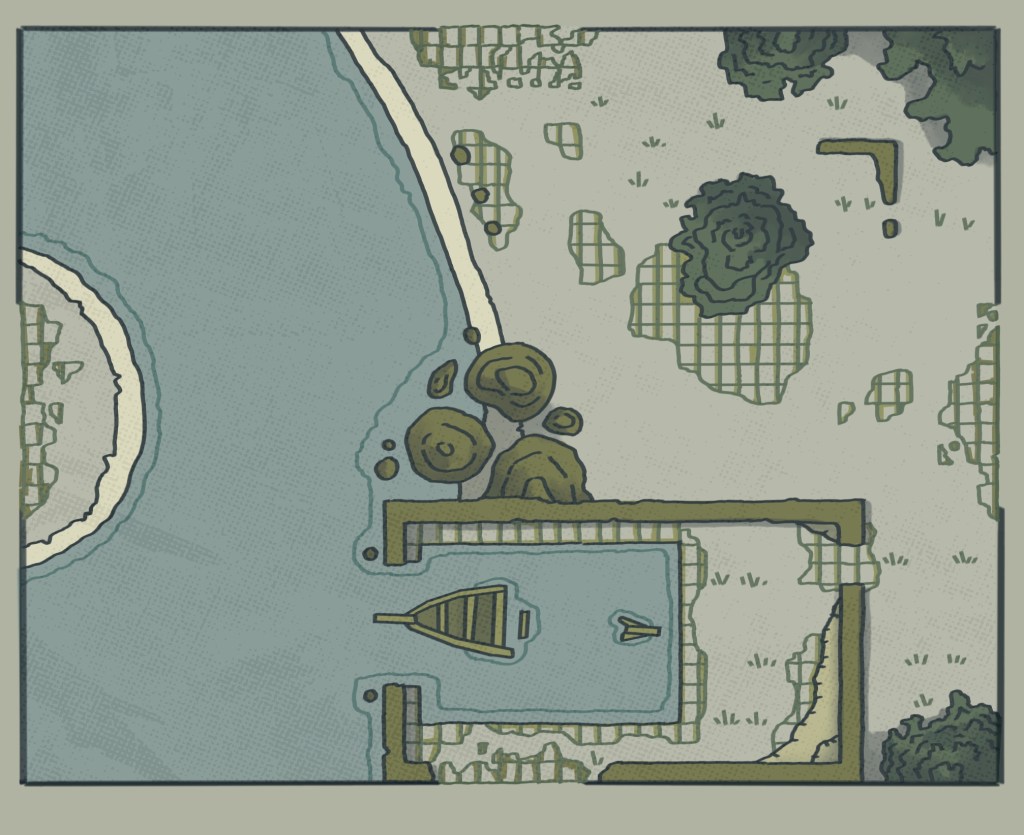
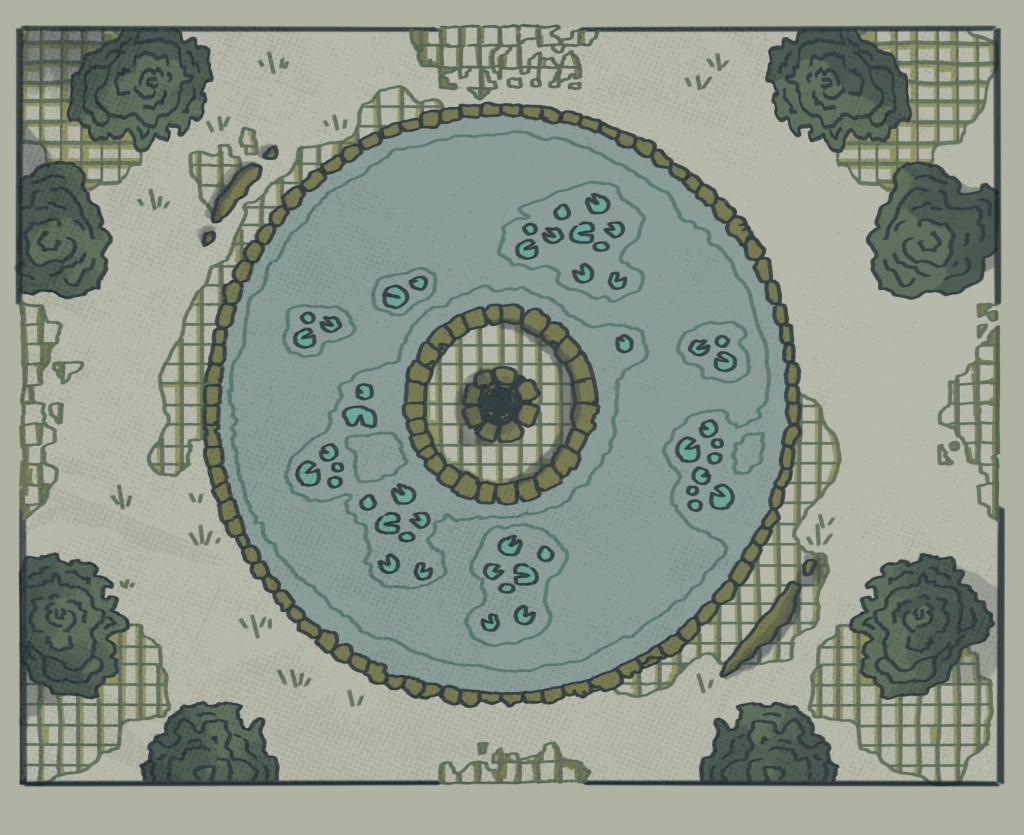
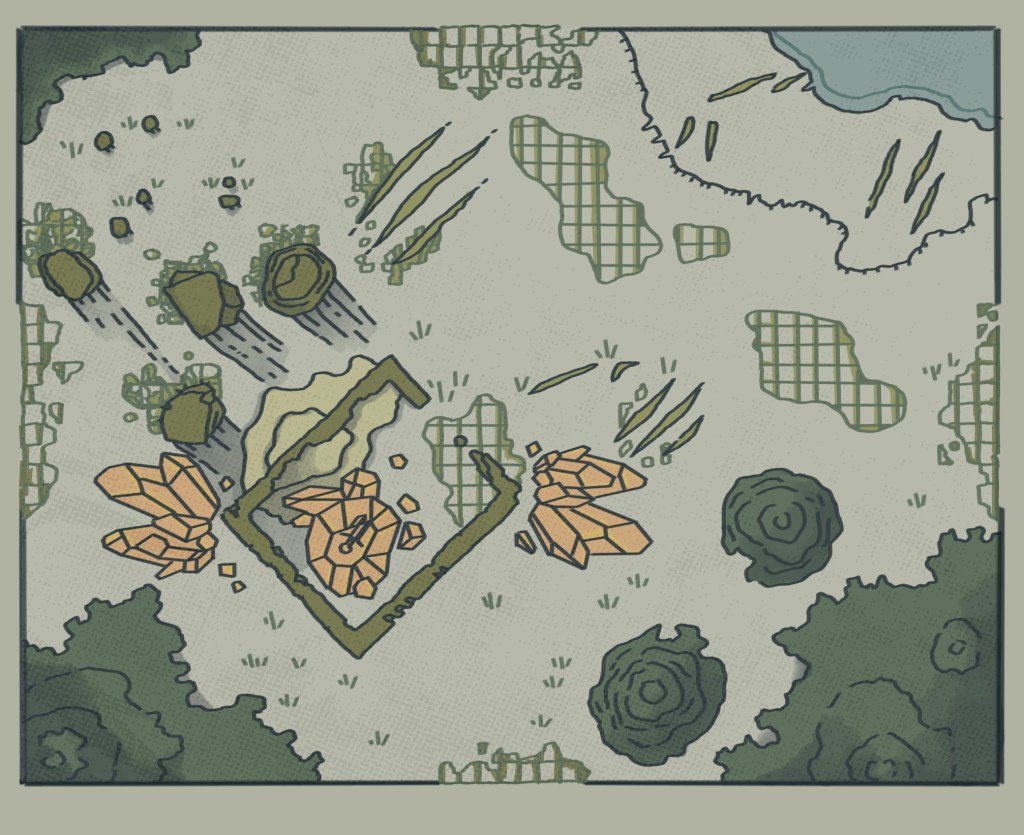
The adventure is free on itch.io, you can check it out right here. Even if the adventure itself has no appeal to you, I’m sure these 20 map tiles could be arranged into a fun open-air dungeon of your own making.


Leave a Reply